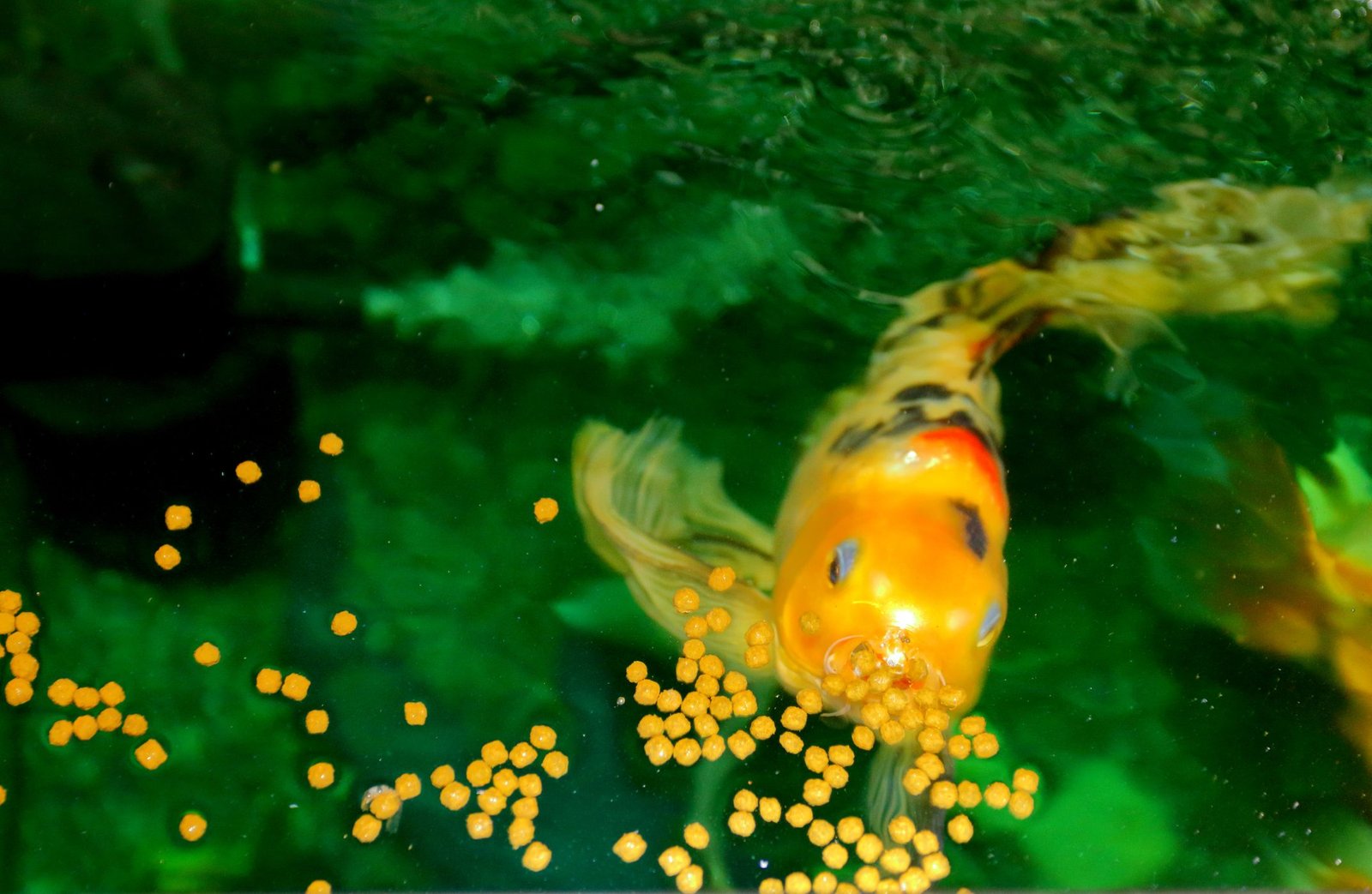
Feeding looks like the easiest part of fishkeeping, yet it causes more sick fish and cloudy tanks than almost anything else. Most new keepers in Bangladesh overfeed, trusting a hungry-looking
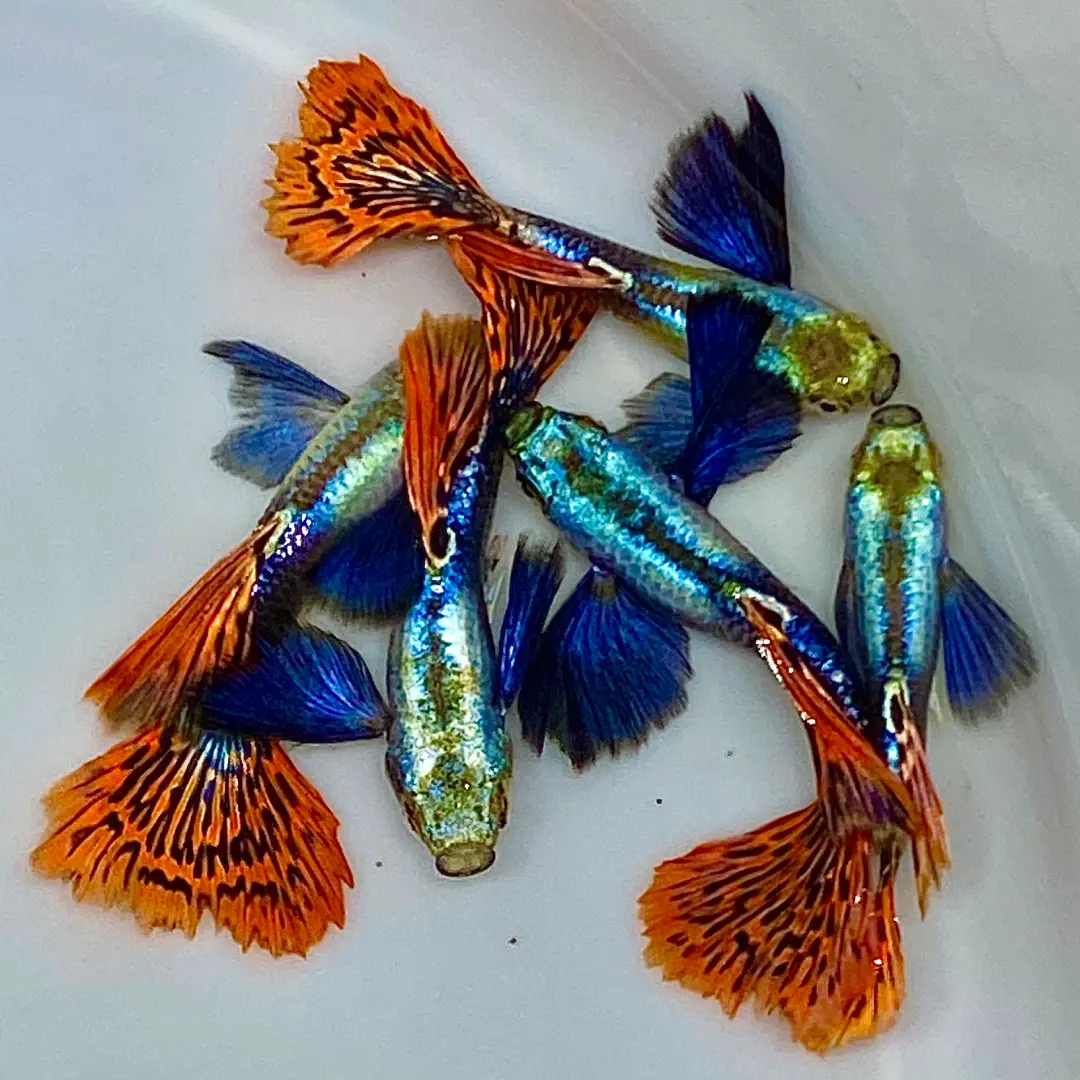
Feeding looks like the easiest part of fishkeeping, yet it causes more sick fish and cloudy tanks than almost anything else. Most new keepers in Bangladesh overfeed, trusting a hungry-looking fish over a sensible schedule. The truth is simpler: bettas and guppies need small, regular meals of the right food, and the leftovers you never see are what foul the water. This guide walks you through what to feed, how much, and how often, so your fish stay colourful and your tank stays clear.
A fish’s stomach is roughly the size of its eye. That single fact explains most feeding mistakes. When you drop in more than that, the extra food either bloats the fish or sinks and rots, releasing ammonia into the water. Ammonia is invisible but deadly, and it builds fastest in the small, unfiltered tanks many beginners start with.
Correct feeding does three things at once. It keeps your fish at a healthy weight, it keeps colour bright because good food carries the pigments fish need, and it protects your water quality by leaving nothing behind to decay. Underfeeding is rarely the problem in home tanks; overfeeding almost always is.
Watch for leftover food on the gravel a few minutes after feeding, cloudy or smelly water within a day of a water change, and a fast build-up of brown algae. A betta with a belly that stays swollen, or guppies hanging near the surface gasping, are also warning signs. If you notice any of these, cut the amount first before you change anything else in the tank.
Bettas are carnivores and need a protein-rich diet, while guppies are omnivores that do well on a mix of protein and plant matter. Both thrive on a core of quality dry food, topped up with treats a few times a week. Variety keeps them interested and fills small nutritional gaps that one single food can leave behind.
Pellets are the best staple for bettas because they are made for a carnivore’s diet and hold their shape, so you can count exactly how many go in. Choose a small, sinking-or-floating betta pellet and feed two to four pieces per meal. For guppies, a good tropical flake or micro-pellet suits their smaller mouths. Crush flakes lightly between your fingers so every fish gets a share and nothing large sinks uneaten.
Frozen bloodworm, brine shrimp and daphnia are excellent treats for both species and bring out deeper reds and blues over time. Offer them two or three times a week, not daily, because they are rich and low in fibre. Thaw frozen cubes in a little tank water first, and feed only what your fish clear in two minutes. Live food is a fine option too, but only from a clean, trusted source.
Skip bread, rice and human leftovers; they swell inside the fish and pollute the water. Avoid large pellets meant for goldfish or koi, and never rely on a single cheap flake as the only food. If a product turns the water cloudy the moment it hits the surface, stop using it.
For most home tanks, feed once or twice a day and keep each meal tiny. A betta needs only a few pellets; a small group of guppies needs a pinch of flake. The two-minute rule is the simplest guide: offer a little, watch, and if anything is still drifting uneaten after two minutes, you gave too much. Remove what is left with a small net.
The table below is a safe starting routine you can adjust to your own fish. One fasting day each week is normal and healthy; it lets the fish clear their system and keeps the water cleaner.
| Day | Betta (male) | Guppies (small group) |
|---|---|---|
| Saturday | 3–4 pellets | Pinch of flake |
| Sunday | 3–4 pellets | Pinch of flake |
| Monday | Frozen bloodworm | Brine shrimp treat |
| Tuesday | 3–4 pellets | Pinch of flake |
| Wednesday | 3–4 pellets | Daphnia or flake |
| Thursday | 3–4 pellets | Pinch of flake |
| Friday | Fasting day | Fasting day |
Baby guppies and betta fry need feeding more often, three to four small meals a day, because they grow fast and have tiny stomachs. Use a powdered fry food or finely crushed flake, and do small, frequent water changes to handle the extra waste from more feeding.
Feed at the same times each day so your fish learn the routine and come to the surface ready. Keep a fixed food container nearby so portions stay consistent between family members. Do a partial water change each week regardless of how careful you are, and never add a second meal just because the fish still look hungry; they almost always do.
Get feeding right and most other problems fade away: colour deepens, fins stay whole, and the water stays clear between changes. If your fish ever refuse food for more than two days, or a belly stays swollen, send us a photo on WhatsApp and we will help you work out what to change.
Halfmoon, Plakat or Crowntail: Choosing Your First Betta Walking up to a wall…